The Benefits of Home Sleep Studies: A Comfortable Path to Better Sleep
In today’s fast-paced world, quality sleep often takes a backseat, leading to widespread issues like fatigue, irritability, and even serious health conditions. As a board-certified sleep doctor at TeleSleepClinic, I’ve seen firsthand how undiagnosed sleep disorders can disrupt lives. That’s why I’m passionate about making sleep care more accessible through home sleep studies and virtual consultations. If you’re suspecting a sleep issue but dread the idea of an overnight lab stay, a home sleep study might be the perfect solution. Let’s explore its benefits and why it’s revolutionizing sleep medicine.
What is a Home Sleep Study?
A home sleep study, also known as a home sleep apnea test (HSAT), is a diagnostic tool used to monitor your sleep patterns in the comfort of your own bed. Unlike traditional in-lab polysomnography, which requires wires, sensors, and an unfamiliar environment, a home study uses portable devices to track key metrics like breathing, oxygen levels, heart rate, and snoring.
At TeleSleepClinic, we provide easy-to-use kits shipped directly to your door. You’ll wear the device for one or two nights, then return it for analysis. Results are reviewed during a virtual consultation, where we discuss personalized treatment plans—whether it’s CPAP therapy, lifestyle changes, or further evaluation.
Why Choose a Home Sleep Study Over In-Lab Testing?
Traditional sleep labs have their place for complex cases, but for many patients—especially those with suspected obstructive sleep apnea (OSA)—home studies offer superior advantages. Here’s why:
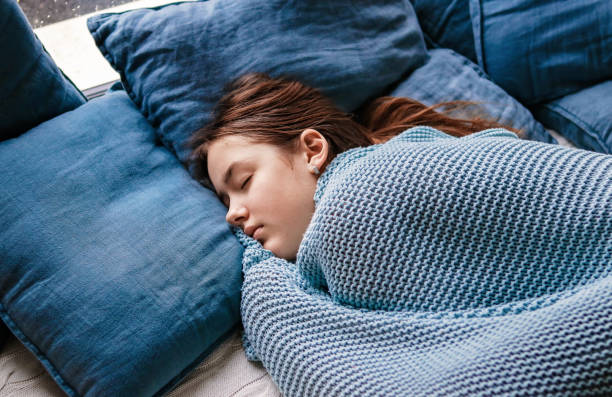
- Comfort and Convenience: Imagine sleeping in your own bed, with your familiar pillow and routine. No sterile lab room or technicians watching you. Studies show that people sleep more naturally at home, leading to more accurate data. In fact, research from the American Academy of Sleep Medicine indicates that home studies can diagnose OSA with up to 90% accuracy compared to lab tests.
- Cost-Effectiveness: Home sleep studies are typically 30-50% less expensive than in-lab options, often covered by insurance. Without the overhead of a facility stay, you save time and money—perfect for busy professionals or families.
- Faster Results and Accessibility: Scheduling a lab study can take weeks or months, but our home kits can be delivered within days. This means quicker diagnosis and treatment, reducing the risks associated with untreated sleep disorders like hypertension or daytime drowsiness.
- Reduced Health Risks: Especially post-pandemic, avoiding unnecessary clinic visits minimizes exposure to illnesses. For patients in rural areas or with mobility issues, telehealth-integrated home studies bridge the gap in care.
One patient shared: “I was hesitant about wires and machines, but the home study was simple. Dr. Arveity Setty explained everything via video call—it felt personalized and stress-free.”
Who Can Benefit from a Home Sleep Study?
Home sleep studies are ideal for adults with moderate to high risk of sleep apnea, based on symptoms like loud snoring, gasping during sleep, or excessive daytime sleepiness. They’re not suitable for everyone—children, those with certain comorbidities (e.g., severe heart failure), or suspected non-apnea disorders may need in-lab testing. During your initial virtual consultation at TeleSleepClinic, we’ll assess if a home study is right for you.
Common conditions diagnosed include:
- Obstructive Sleep Apnea (OSA)
- Central Sleep Apnea
- Hypopnea Syndrome
If results indicate a need for more advanced monitoring, we can guide you to the next steps seamlessly.
Preparing for Your Home Sleep Study: Tips for Success
To ensure accurate results:
- Avoid caffeine and alcohol on test days.
- Stick to your normal bedtime routine.
- Follow the device’s setup instructions—it’s user-friendly, with sensors for your finger, chest, and nose.
- Note any unusual events in a sleep diary.
Post-study, we’ll analyze the data using advanced software, providing a detailed report on your apnea-hypopnea index (AHI) and sleep efficiency.
Children and Home Sleep Testing:
In general, in-lab sleep studies are preferred for children, especially younger ones, as the controlled environment allows for more accurate monitoring. The smaller the child, the more beneficial it is to conduct the study in a lab. However, for some medically complex children, attending a lab can be impractical, often resulting in undiagnosed sleep apnea.
Home sleep studies, while typically not covered by insurance for patients under 18 years of age, offer a cost-effective alternative. They are exceptionally cheaper and provide a convenient option, particularly for older children. Additionally, FDA-approved home sleep devices are available for children as young as 2 years old. Patients are encouraged to consult with a sleep doctor to discuss whether a home sleep apnea test (HSAT) is appropriate for their child’s needs.
The Future of Sleep Care: Telemedicine and Home Testing
With advancements in wearable tech and AI, home sleep studies are becoming even more precise. Newer companies are popping up every so often with better data collection and analysis similar to in-lab sleep study. At TeleSleepClinic, we’re at the forefront, offering end-to-end telehealth services—from consultation to follow-up. This model not only empowers patients but also improves outcomes; a study in the Journal of Clinical Sleep Medicine found that tele monitored home studies led to higher treatment adherence.
If you’re ready to prioritize your sleep, book a virtual consultation today. Don’t let poor sleep hold you back—discover the ease of home-based care.