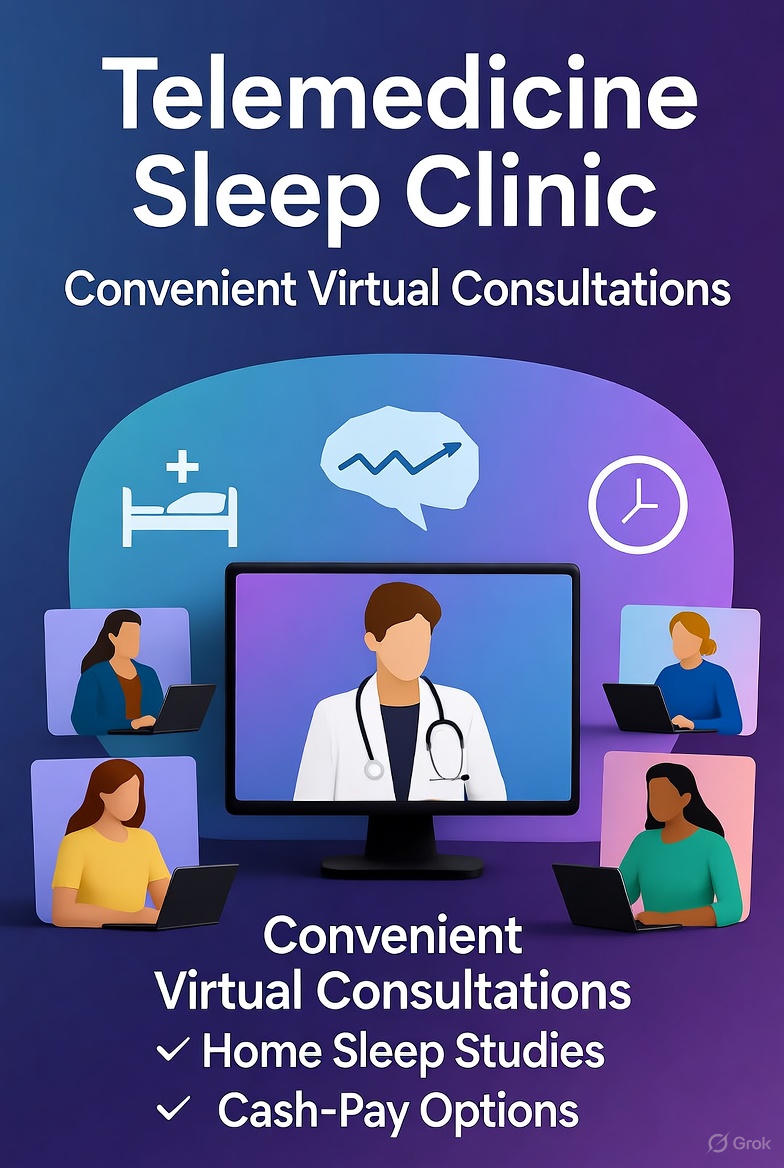
Revolutionizing Sleep Care: The Power of Telemedicine and Home Sleep Studies
In today’s fast-paced world, quality sleep is more essential than ever, yet millions struggle with sleep disorders like obstructive sleep apnea (OSA) without easy access to specialized care. As the owner of a telemedicineclinic.com and a former member of the American Academy of Sleep Medicine (AASM) telemedicine committee—where I contributed to developing key guidelines—I’ve seen firsthand how innovative approaches can transform patient outcomes. This article explores the importance of telemedicine in sleep medicine, the role of home sleep studies, and why cash-pay options are often a smarter, faster path to relief compared to traditional insurance routes.
Understanding Telemedicine in Sleep Medicine
Telemedicine refers to the delivery of healthcare services via digital platforms, allowing patients to consult with specialists remotely through video calls, secure messaging, or app-based monitoring. In sleep medicine, this means diagnosing and managing conditions like insomnia, sleep apnea, and restless legs syndrome without the need for in-person visits. The AASM has long recognized telemedicine’s potential, emphasizing its role in promoting a collaborative care model involving board-certified sleep physicians, primary care providers, and patients. This approach not only enhances convenience but also addresses barriers like geographic distance and long wait times.
The COVID-19 pandemic accelerated telemedicine’s adoption, revealing sleep medicine as an ideal field for remote care due to limited provider availability and the risks associated with sleepy patients traveling to appointments. Today, telemedicine is proven effective for diagnosing and treating sleep disorders, particularly OSA, by improving adherence to therapies like positive airway pressure (PAP) devices.
AASM Guidelines: Setting the Standard for Quality Care
The AASM has been at the forefront of establishing telemedicine standards in sleep medicine. Their Sleep Telemedicine Implementation Guide provides comprehensive workflows for integrating remote services, including hardware needs, software selection, and business management. Updated guidelines recommend permanent telehealth coverage to ensure ongoing access, highlighting its ability to reduce crash risks from drowsy driving and facilitate care for underserved populations.
As part of the AASM committee, I helped shape these guidelines to prioritize patient safety and efficacy. For instance, synchronous telemedicine (real-time interactions) and asynchronous methods (like reviewing PAP data or home test results) are both endorsed, ensuring flexibility while maintaining high standards. These resources underscore telemedicine’s role in expanding access, making specialized sleep care available to those in rural areas or with mobility challenges.
Telemedicine isn’t just convenient—it’s a game-changer for accessibility and outcomes. Traditional sleep care often involves multiple office visits, which can delay diagnosis and treatment. Telemedicine eliminates these hurdles, allowing patients to receive high-quality care from home. Studies show it effectively manages OSA by coordinating remote monitoring and improving therapy compliance.
Key advantages include:
- Increased Access: It bridges gaps for patients far from sleep centers, reducing wait times and travel burdens.
- Safety and Convenience: No need to drive while fatigued, and flexible scheduling fits busy lives.
- Cost-Effectiveness: Remote consultations can lower overall healthcare costs by minimizing in-person overhead.
- Better Adherence: Ongoing virtual follow-ups help patients stick to treatments, leading to improved health.
In my clinic, we’ve leveraged these benefits to help countless patients achieve better sleep without the traditional barriers.
Home Sleep Studies: A Convenient Diagnostic Tool
Home sleep apnea testing (HSAT) represents another leap in accessibility. Unlike in-lab polysomnography (PSG), which requires an overnight stay in a facility, HSAT devices are portable and user-friendly, allowing patients to monitor their sleep in the comfort of their own bed. The AASM endorses HSAT as a reliable alternative for diagnosing OSA in uncomplicated adults showing clear signs and symptoms.
Advancements in HSAT technology have made it more accurate and patient-friendly, bridging convenience with clinical effectiveness. Patients receive the device by mail, wear it for one or more nights, sometimes no need to return back devices—often with video instructions ensuring proper use. This method not only reduces costs but also provides a more natural sleep environment, potentially yielding more representative data.
How Telemedicine and Home Sleep Studies Transform Patient Access
Combining telemedicine with HSAT creates a seamless pathway to care. Telemedicine platforms can coordinate HSAT delivery, interpret results remotely, and provide follow-up consultations—all without a single office visit. This integration dramatically changes access: Patients in remote areas can now get diagnosed quickly, avoiding months-long waits for lab-based studies. For sleep apnea sufferers, this means faster initiation of treatments like CPAP, reducing risks of associated conditions such as hypertension and heart disease.
In essence, these tools democratize sleep care, making it available to anyone with internet access. At my clinic, we specialize in this model, offering telemedicine consultations paired with home sleep studies to expedite diagnosis and management.
Cash-Pay Access: Bypassing Insurance Delays for Quicker Care
One of the biggest frustrations in healthcare is navigating insurance—prior authorizations, referrals, and coverage denials can add weeks or months to the process. For sleep studies, this delay is particularly problematic, as untreated disorders worsen over time. Cash-pay options offer a compelling alternative, allowing patients to pay directly for services and skip the bureaucracy.
Benefits of cash pay include:
- Speed: No waiting for approvals; schedule a telemedicine visit or home sleep study immediately.
- Discounts and Transparency: Providers often offer reduced rates for cash payments, sometimes halving costs compared to insured rates. Tools like price comparison sites can help find deals.
- Control: You’re in charge of your care, without insurance dictating providers or procedures.
- Simplicity in Telemedicine: Many telehealth services operate on a cash-pay basis, requiring no insurance or referrals, which aligns perfectly with remote sleep care.
- Insurance troubles: These comes with certain policies for reimbursement and coverage. Currently during government shutdown, many hospitals have stopped accepting government insurances like Medicaid and Medicare due to lapse of telemedicine(since September 30th, the last day for relaxed telemedicine rules with no sight if this will be approved going forward) from anywhere adopted since COVID 19. This has affected many especially in rural areas making them drive hours to see their doctors in-person.
In my experience, cash-pay patients at our clinic often start treatment within days, compared to the prolonged timelines with insurance. While insurance has its place for comprehensive coverage, cash pay shines for those seeking immediate, hassle-free access. In most cases insurances might reimburse our tele sleep services with provided superbill as it would still cost them much cheaper compared to traditional care.
Conclusion: Take the First Step Toward Better Sleep
Telemedicine and home sleep studies are revolutionizing how we approach sleep disorders, making expert care more accessible, efficient, and patient-centered than ever before. Backed by AASM guidelines and real-world evidence, these innovations—especially when combined with cash-pay flexibility—empower individuals to prioritize their sleep health without unnecessary delays.