Expert Tips for Better Sleep
Sleep is essential for our overall health and well-being. Yet, many of us struggle to get the quality rest we need. If you find yourself tossing and turning at night, you are not alone. In this blog post, we will explore expert tips to help you achieve better sleep.
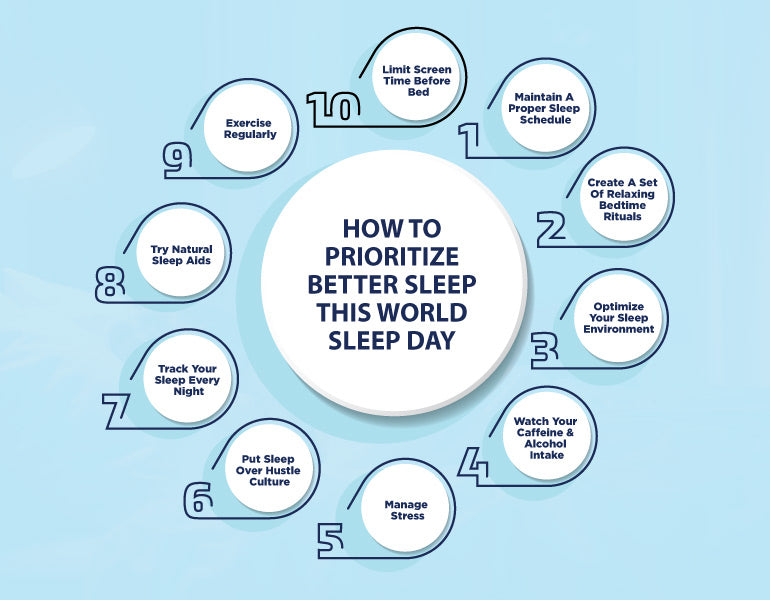
By implementing these strategies, you can improve your sleep quality and wake up feeling refreshed. Let’s dive into the world of sleep and discover how to make the most of your nights.
Understanding Sleep
Before we jump into tips, it is important to understand what sleep is. Sleep is a natural state of rest for the body and mind. During sleep, your body goes through various cycles, including REM (Rapid Eye Movement) and non-REM sleep. Each cycle plays a crucial role in your physical and mental health.
Getting enough sleep helps with memory, mood, and even your immune system. When you don’t get enough sleep, you may feel irritable, unfocused, and fatigued.
Create a Sleep-Friendly Environment
One of the first steps to better sleep is creating a comfortable sleep environment. Here are some tips to help you set the stage for a good night’s rest:
- Keep it Dark: Darkness signals your body that it is time to sleep. Use blackout curtains or an eye mask to block out light.
- Control the Temperature: A cool room is ideal for sleep. Aim for a temperature between 60 to 67 degrees Fahrenheit.
- Reduce Noise: If you live in a noisy area, consider using earplugs or a white noise machine to drown out distractions.
- Invest in a Good Mattress: Your mattress should support your body and help you feel comfortable. If it is old or uncomfortable, it may be time for an upgrade.
Establish a Sleep Routine
Having a consistent sleep routine can signal your body that it is time to wind down. Here are some tips for creating a bedtime routine:
- Set a Sleep Schedule: Go to bed and wake up at the same time every day, even on weekends. This helps regulate your body’s internal clock.
- Wind Down: Spend the last hour before bed doing relaxing activities. This could include reading, taking a warm bath, or practicing meditation.
- Limit Screen Time: The blue light from screens can interfere with your sleep. Try to avoid screens at least an hour before bed.
Mind Your Diet
What you eat and drink can impact your sleep quality. Here are some dietary tips to consider:
- Avoid Caffeine: Caffeine can stay in your system for hours. Try to limit caffeine intake in the afternoon and evening.
- Watch Your Alcohol Consumption: While alcohol may help you fall asleep, it can disrupt your sleep cycle later in the night.
- Eat Light in the Evening: Heavy meals can cause discomfort and disrupt sleep. Opt for lighter snacks if you are hungry before bed.
Manage Stress and Anxiety
Stress and anxiety can keep you awake at night. Here are some strategies to help manage these feelings:
- Practice Relaxation Techniques: Techniques such as deep breathing, yoga, or meditation can help calm your mind.
- Write it Down: If you have racing thoughts, try writing them down before bed. This can help clear your mind and reduce anxiety.
- Seek Professional Help: If stress or anxiety is overwhelming, consider talking to a mental health professional.
Exercise Regularly
Regular physical activity can improve sleep quality. Here are some tips for incorporating exercise into your routine:
- Aim for Consistency: Try to exercise at least 30 minutes most days of the week.
- Timing Matters: While exercise is beneficial, avoid vigorous workouts close to bedtime. Aim to finish exercising at least a few hours before bed.
- Find Activities You Enjoy: Whether it is walking, swimming, or dancing, choose activities that you find fun and engaging.
Limit Naps
While napping can be refreshing, it can also interfere with nighttime sleep. Here are some tips for napping:
- Keep it Short: If you need to nap, limit it to 20-30 minutes. This can help you feel refreshed without disrupting your nighttime sleep.
- Nap Early: Try to nap earlier in the day. Napping too late can make it harder to fall asleep at night.
Seek Professional Help if Needed
If you have tried these tips and still struggle with sleep, it may be time to seek professional help. Sleep disorders, such as insomnia or sleep apnea, can significantly impact your health. A sleep specialist can help diagnose and treat these conditions.
The Importance of Sleep Hygiene
Sleep hygiene refers to the habits and practices that promote good sleep. Here are some key components of sleep hygiene:
- Create a Sleep-Inducing Environment: As mentioned earlier, a dark, cool, and quiet room is essential.
- Establish a Routine: Consistency is key. Stick to your sleep schedule as much as possible.
- Limit Stimulants: Avoid caffeine, nicotine, and heavy meals close to bedtime.
The Role of Light Exposure
Light exposure plays a significant role in regulating your sleep-wake cycle. Here are some tips for managing light exposure:
- Get Natural Light During the Day: Spend time outside during the day to help regulate your body’s internal clock.
- Limit Blue Light at Night: Use blue light filters on your devices or wear blue light-blocking glasses in the evening.
The Benefits of Sleep
Getting enough quality sleep has numerous benefits. Here are just a few:
- Improved Mood: Quality sleep can help reduce irritability and improve your overall mood.
- Better Focus: A well-rested mind is more alert and focused, making it easier to tackle daily tasks.
- Enhanced Immune Function: Sleep plays a crucial role in supporting your immune system, helping you stay healthy.
Final Thoughts on Sleep
Sleep is a vital part of our lives, yet it is often overlooked. By implementing these expert tips, you can improve your sleep quality and overall well-being. Remember, it may take time to see results, so be patient with yourself.
If you continue to struggle with sleep, do not hesitate to seek professional help. Your health is worth it.

Click here to read more on Sleep Hygiene!
By prioritizing sleep, you are investing in your health and happiness. Sweet dreams!